Pink and blue watercolor backgrounds offer a soft, calming blend of colors that can enhance many creative projects. They are popular for their gentle texture and ability to create a peaceful yet vibrant atmosphere. Many artists and designers use these backgrounds to add a unique, artistic touch.
This article shows seven practical ideas for using pink and blue watercolor backgrounds effectively. These ideas can help inspire different styles and uses, whether for digital designs, prints, or decorations. The focus is on clear, easy ways to bring this color combination into creative work.
1) Abstract pink and blue watercolor wash for modern art
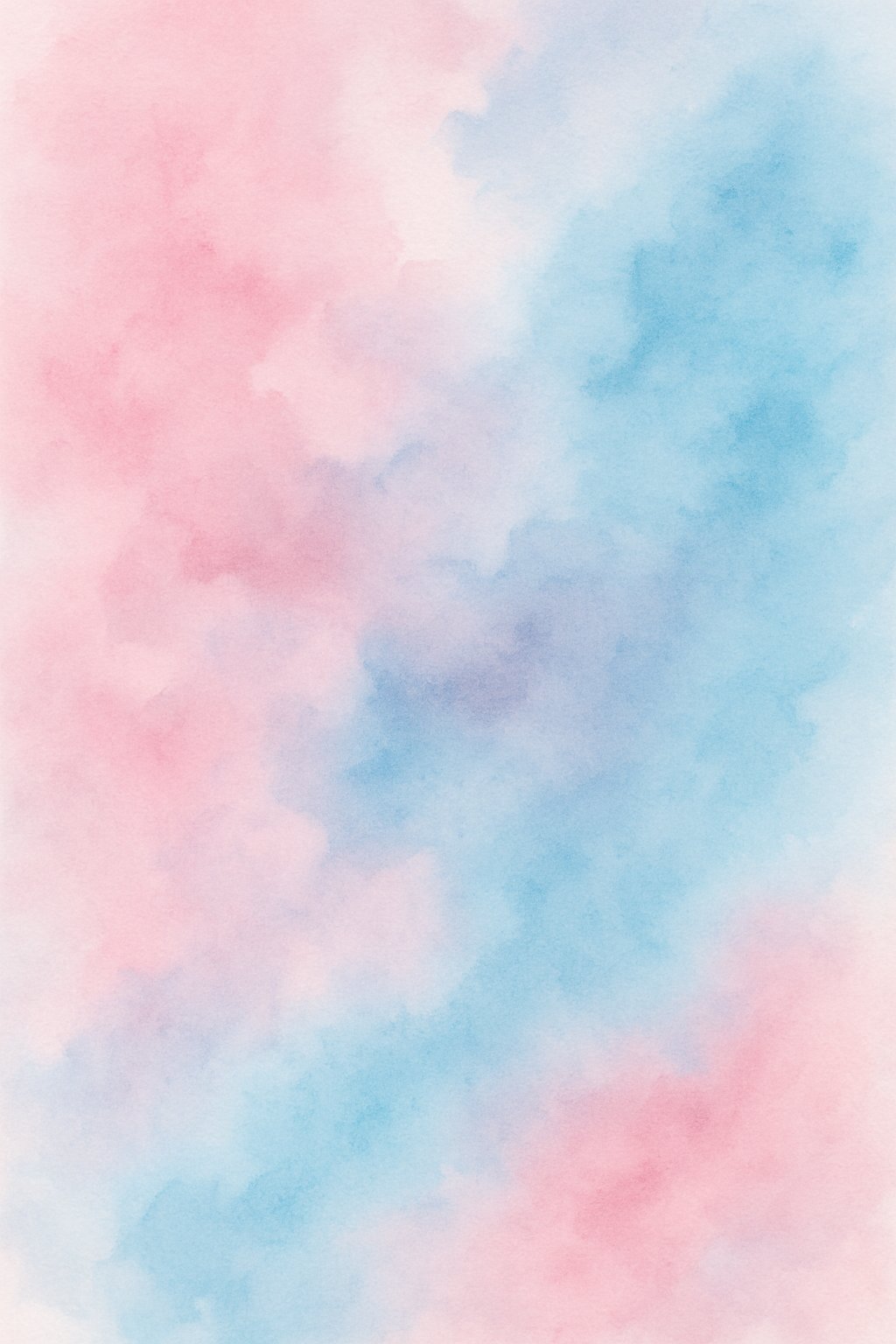
An abstract pink and blue watercolor wash creates a soft, flowing look. It blends colors in a loose, natural way.
This style works well for modern art because it feels fresh and simple. Artists use it to add texture and depth without detailed shapes.
The mix of pink and blue offers a calm but lively contrast. It suits backgrounds for websites, prints, or social media graphics.
2) Soft pastel pink and blue gradient backgrounds
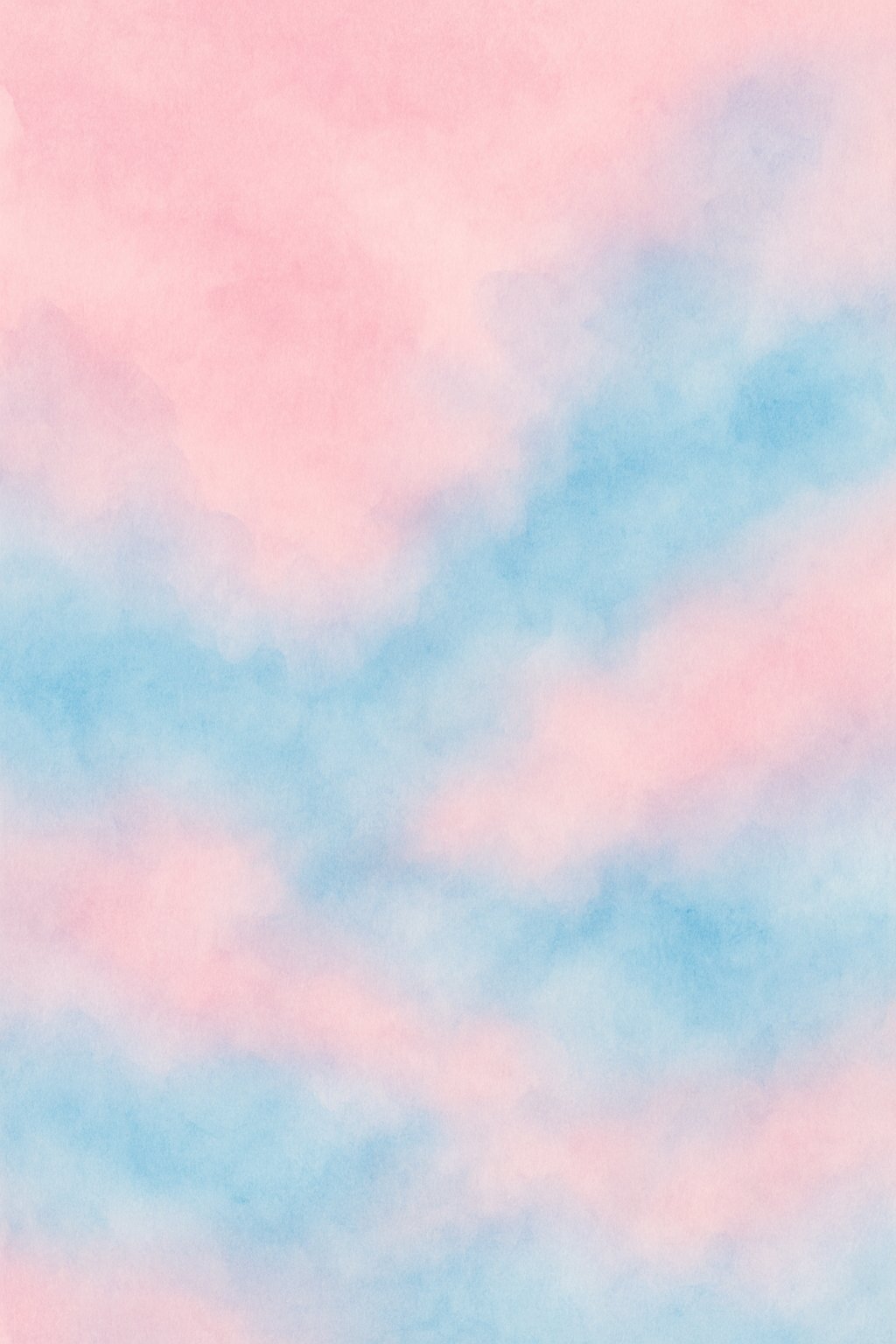
Soft pastel pink and blue gradients create a calm and gentle look. They blend smoothly, making them ideal for backgrounds in designs or websites.
These colors work well together because they balance warmth and coolness without being too bright.
Designers often use these gradients to add a subtle and modern touch. The soft tones help focus attention on other elements without distraction.
3) Pink and blue watercolor floral patterns
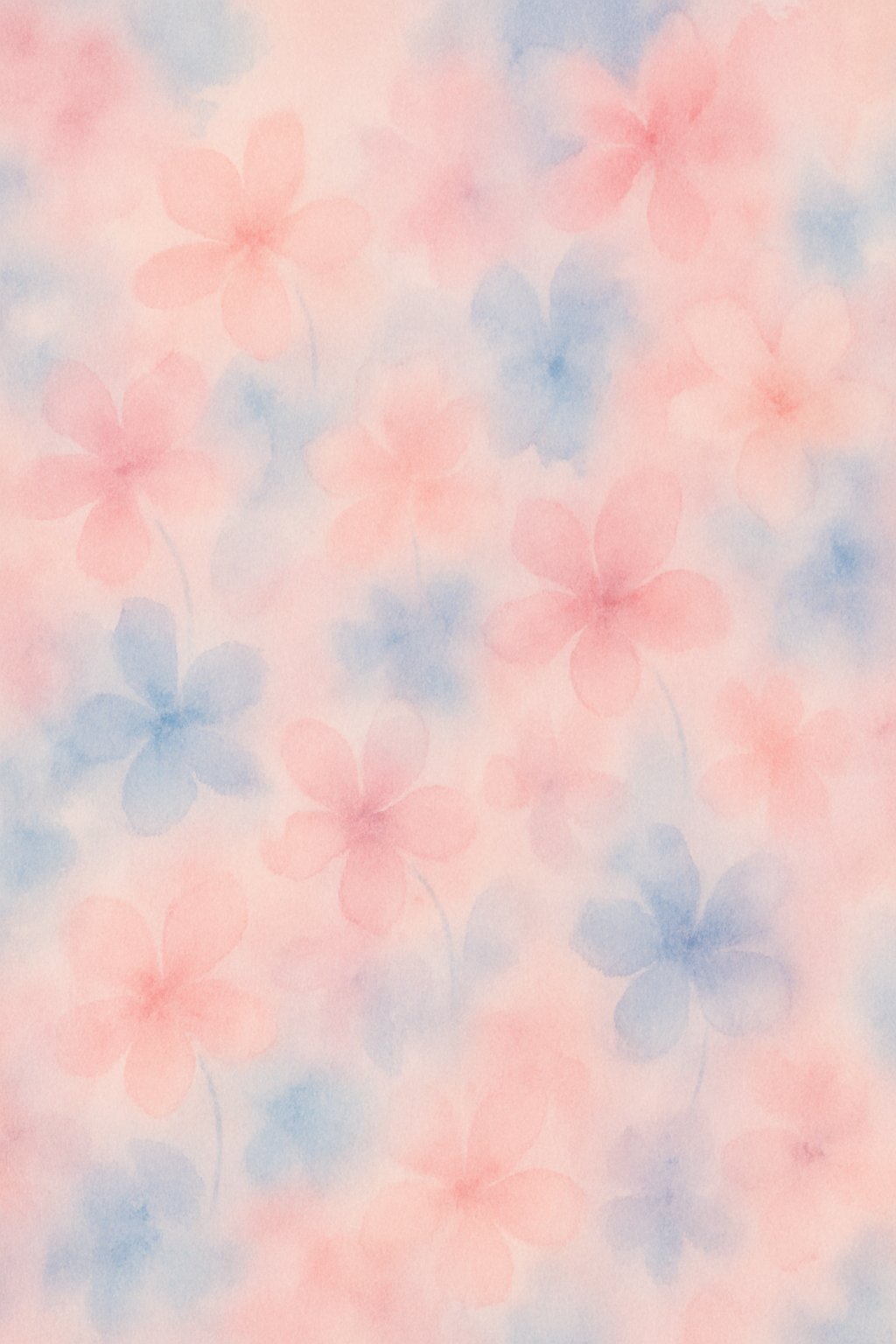
Pink and blue watercolor floral patterns feature soft, hand-painted flowers. These patterns often show roses, peonies, and other delicate blooms.
The mix of pink and blue creates a calm and fresh feeling. These patterns work well for backgrounds, wallpapers, and invitations.
The watercolor style adds texture and depth, making designs look more natural. They are popular for both digital and print projects.
4) Watercolor stripes in pink and blue tones
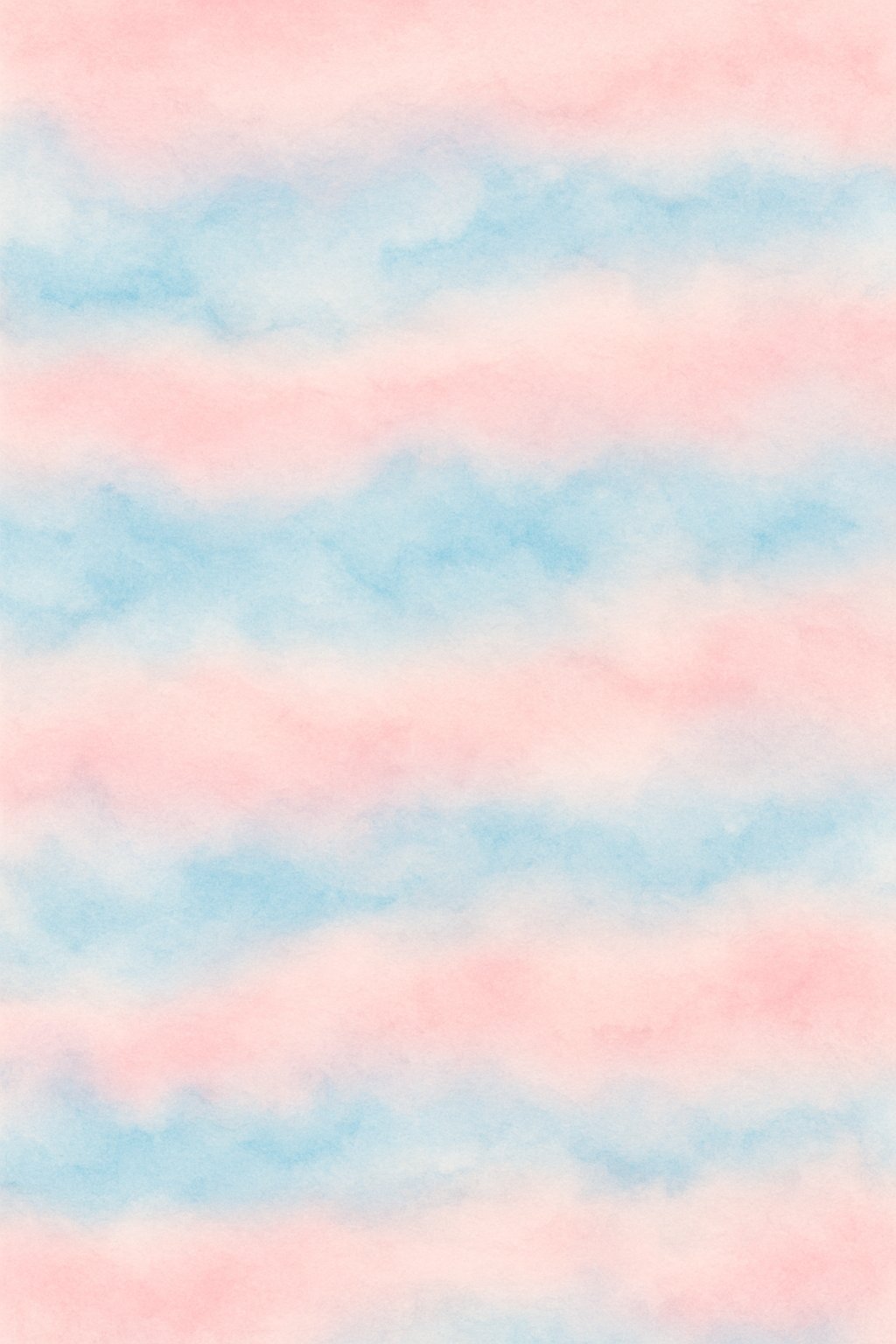
Watercolor stripes in pink and blue create a soft, calm effect. The colors blend gently, giving a textured, natural look.
This style works well for backgrounds, adding subtle color without overwhelming the design.
The variation in stripe width and color intensity can add depth and interest. It suits both digital and physical art projects.
5) Galaxy-inspired pink and blue watercolor effects
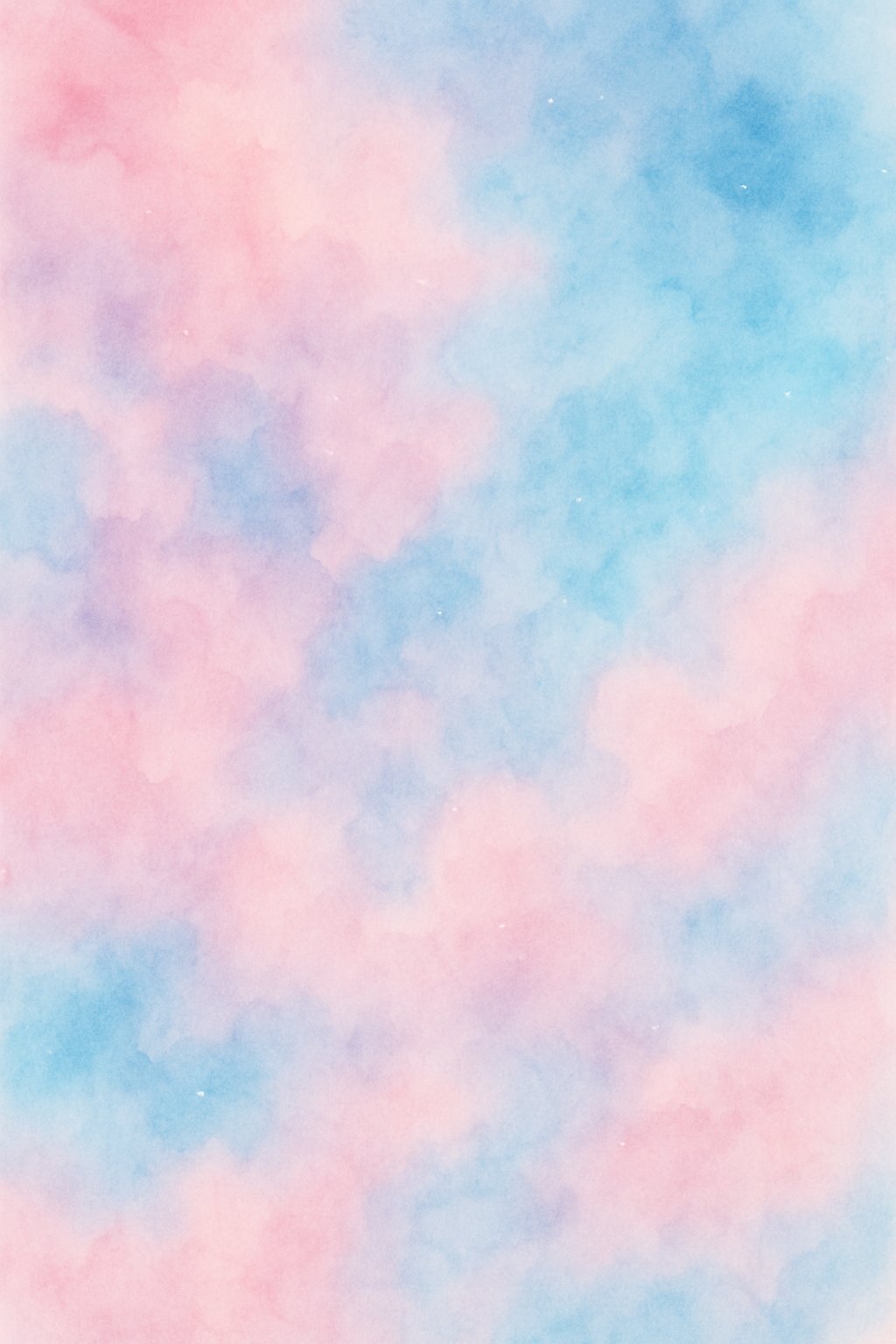
This effect uses shades of pink and blue to mimic a galaxy’s look. Artists add drops of color onto wet paper to blend and create soft, flowing patterns.
Black or darker colors can be added to give depth and contrast. This method helps fill empty spaces while keeping the design lively and natural. It is popular for cosmic-themed backgrounds.
6) Pink and blue ombre watercolor textures
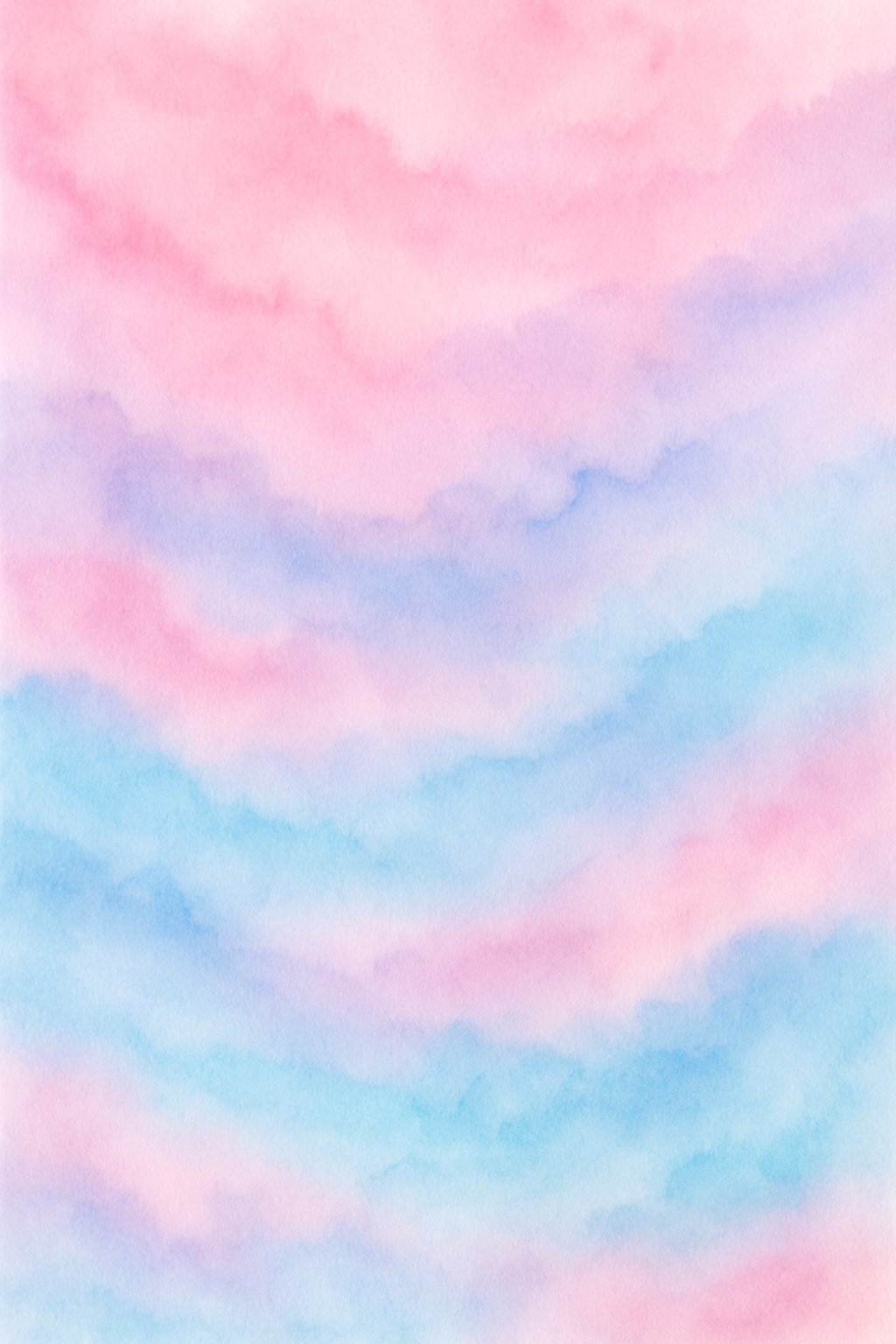
Pink and blue ombre watercolor textures blend colors smoothly from one shade to another. This creates a soft gradient that is easy on the eyes.
These textures work well for backgrounds in designs like posters, invitations, and websites.
The subtle shifts between pastel pink and blue add a calm and balanced feel. Artists often use wet-on-wet techniques to achieve the smooth transition.
Ombre textures give a modern look while keeping a simple, natural style.
7) Delicate pink and blue watercolor clouds
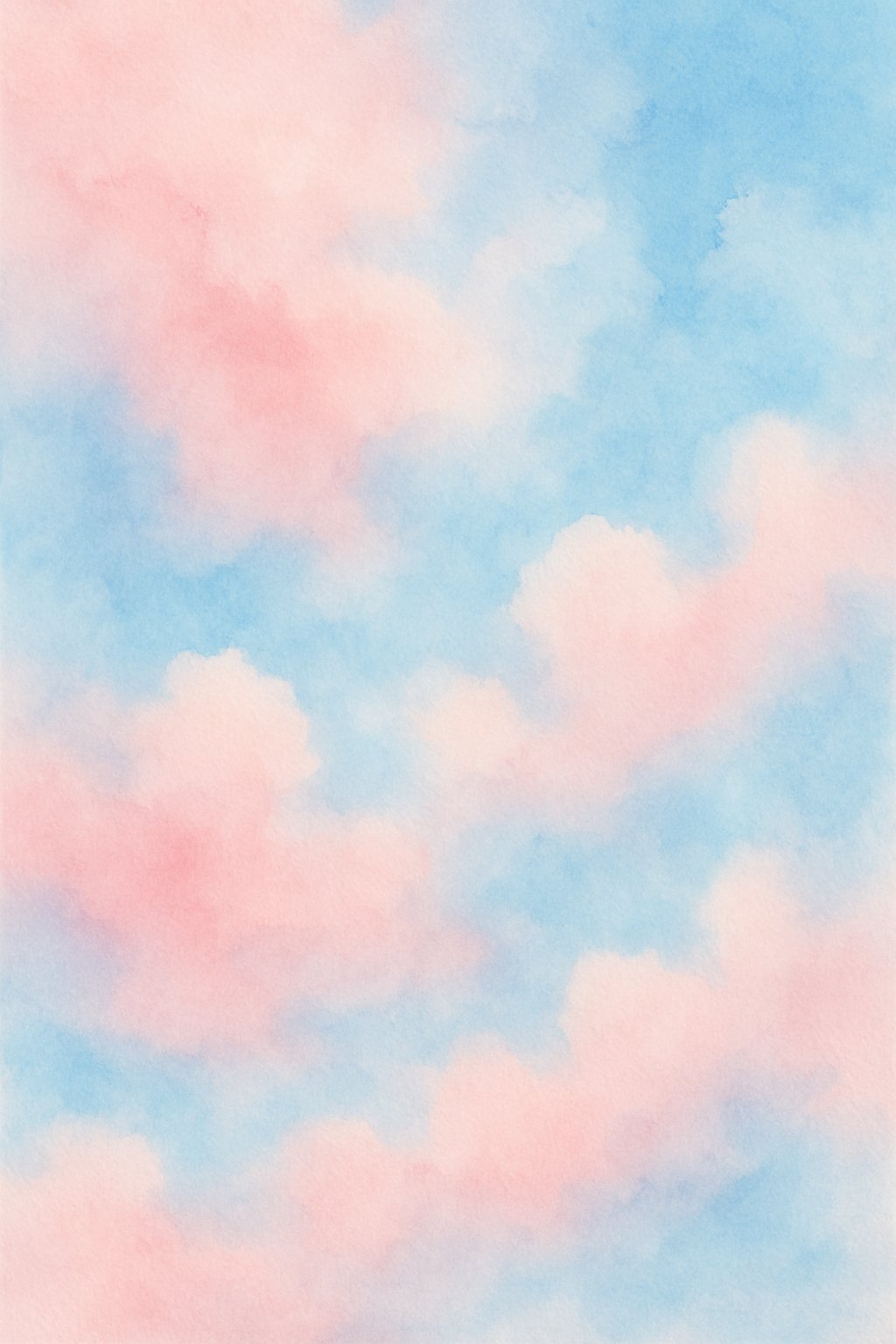
This background features soft, blended pink and blue clouds. The colors mix gently, creating a calm and airy feel.
It works well for designs needing a light and peaceful touch. The delicate tones make it suitable for art, wallpaper, or invitations.
The subtle transitions between colors give a smooth, dreamy appearance without harsh edges. It highlights simplicity and elegance in watercolor art.
Understanding Pink and Blue Watercolor Aesthetics
Pink and blue watercolor backgrounds offer a mix of emotional impact and artistic technique. The feelings these colors evoke depend on their shades and combinations. Artists use specific blending methods to create smooth transitions and unique effects in these color pairs.
Color Psychology and Mood
Pink often represents calmness, warmth, and tenderness. It can make a design feel gentle and inviting. Blue typically brings thoughts of peace, trust, and stability. When combined, these colors balance softness with calm energy.
Light pinks paired with pale blues create a soothing, quiet mood. Deeper pinks with rich blues can feel more vivid and strong. The emotional tone changes depending on the color intensity and saturation.
Different shades in pink and blue can also suggest other feelings. For example, pastel versions feel dreamy, while brighter tones appear lively. Knowing these effects helps artists choose colors that fit their design goals.
Blending Techniques for Watercolor
Blending pink and blue in watercolor requires controlled water use. Wet-on-wet is a common method, where wet paint meets wet paper, allowing colors to flow and merge softly. This creates gentle gradients.
Wet-on-dry layering means applying color over dry paint, giving sharper edges and distinct color layering. This method helps keep colors separated and adds texture.
Artists can also use lifting, which means removing some paint with a dry brush or tissue. This softens harsh lines and enhances lightness in certain areas.
Using these techniques, artists achieve smooth color transitions or textured effects. This makes pink and blue backgrounds versatile for many styles.
Tips for Creating Engaging Pink and Blue Backgrounds
Creating pink and blue watercolor backgrounds requires attention to materials and techniques that enhance color vibrancy and texture. Using the right tools and layering methods will help bring depth and interest to the artwork.
Choosing the Right Paper and Brushes
Selecting quality watercolor paper is important. Heavier papers, around 140 lb (300 gsm), prevent warping and hold paint well. Cold-pressed paper with a slight texture works best for these colors, as it allows the pigments to spread evenly while adding subtle texture.

Brush choice impacts control and effects. Round brushes with soft bristles are ideal for smooth blends and curved strokes. Flat brushes help create sharper edges or larger washes. Synthetic brushes can provide good spring and durability less prone to damage from repeated water use.
Using the correct brush size matters as well. Smaller brushes work well for details, while larger ones cover more area quickly. Always rinse brushes properly to keep colors looking clean and true.
Incorporating Textures and Layers
Building layers creates depth and richness in pink and blue backgrounds. Start with light washes of color, letting each layer dry before adding the next. This prevents colors from muddying and keeps them vibrant.
Textures can be added using different techniques like salt sprinkling or plastic wrap to create patterns. Varying brush pressure or using dry brushing can also add interesting surface details.
Blending pinks and blues smoothly while keeping some areas of contrast adds visual interest. A balance between soft gradients and sharper textures makes the background engaging without overwhelming the main subject.